The AI boom is showing up on price tags
AI data centers are buying up the memory chips that go into every phone, laptop, and game console. The bill has reached store shelves. The cheapest devices are taking the biggest hit. Here is a real answer on whether to buy now or wait.

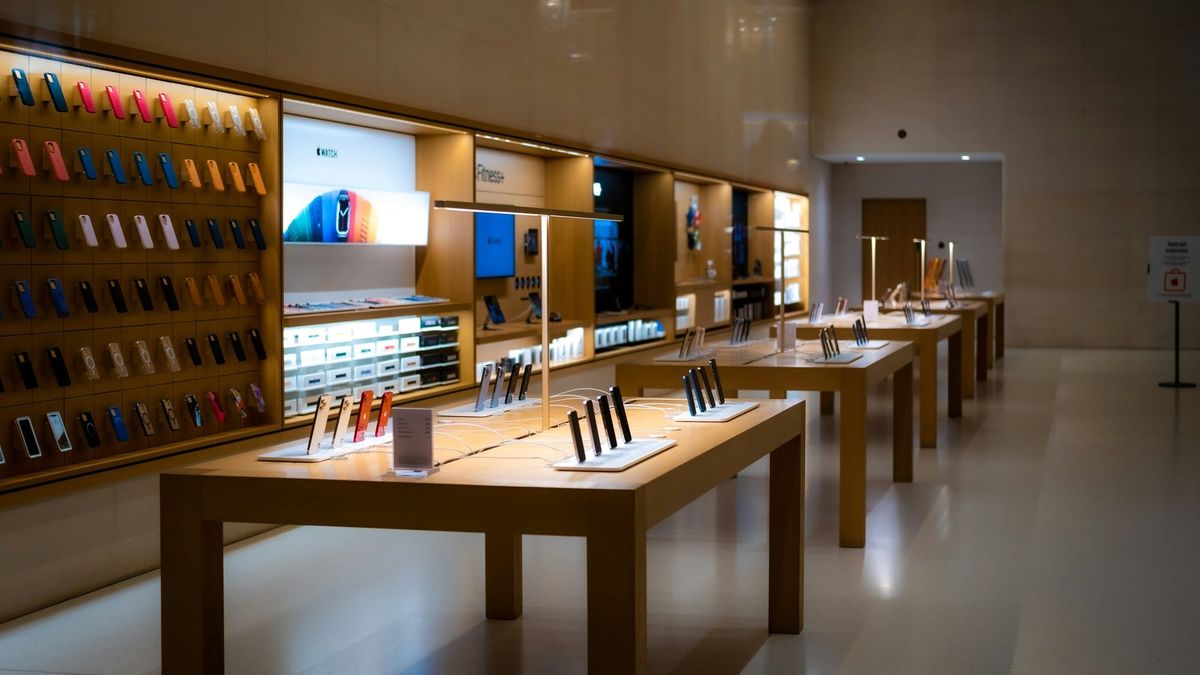
If you priced a laptop or tablet this summer, you noticed. In June, Apple raised the price of nearly every Mac and iPad it sells. The cheapest iPad went from $349 to $449 overnight. The MacBook Air went from $1,099 to $1,299. The hardware stayed the same, but the prices didn't.
It isn't just Apple. The PlayStation 5 costs $100 more than it did in March. Xbox prices went up $100 to $150 this past Saturday. Nintendo is raising the Switch 2 to $499.99 on September 1. Dell, HP, and other laptop makers have raised prices too. Every major device maker is moving in the same direction. Most of them name the same cause.
The same AI story, with a bill
You've probably read that AI data centers use a massive amount of electricity and water. They also use an enormous amount of memory. That is the bill that just reached the store shelves.
Three companies make nearly all of the world's memory chips: Samsung, SK hynix, and Micron. The AI data centers going up across the country (including here in Oregon) need enormous amounts of memory, and they pay top dollar for it. So those three companies pointed their factories at AI. Memory sits inside every device you own: your phone, your laptop, your tablet, your game console. When the factories serve AI first, the chips for everything else get scarce. Scarce means expensive.
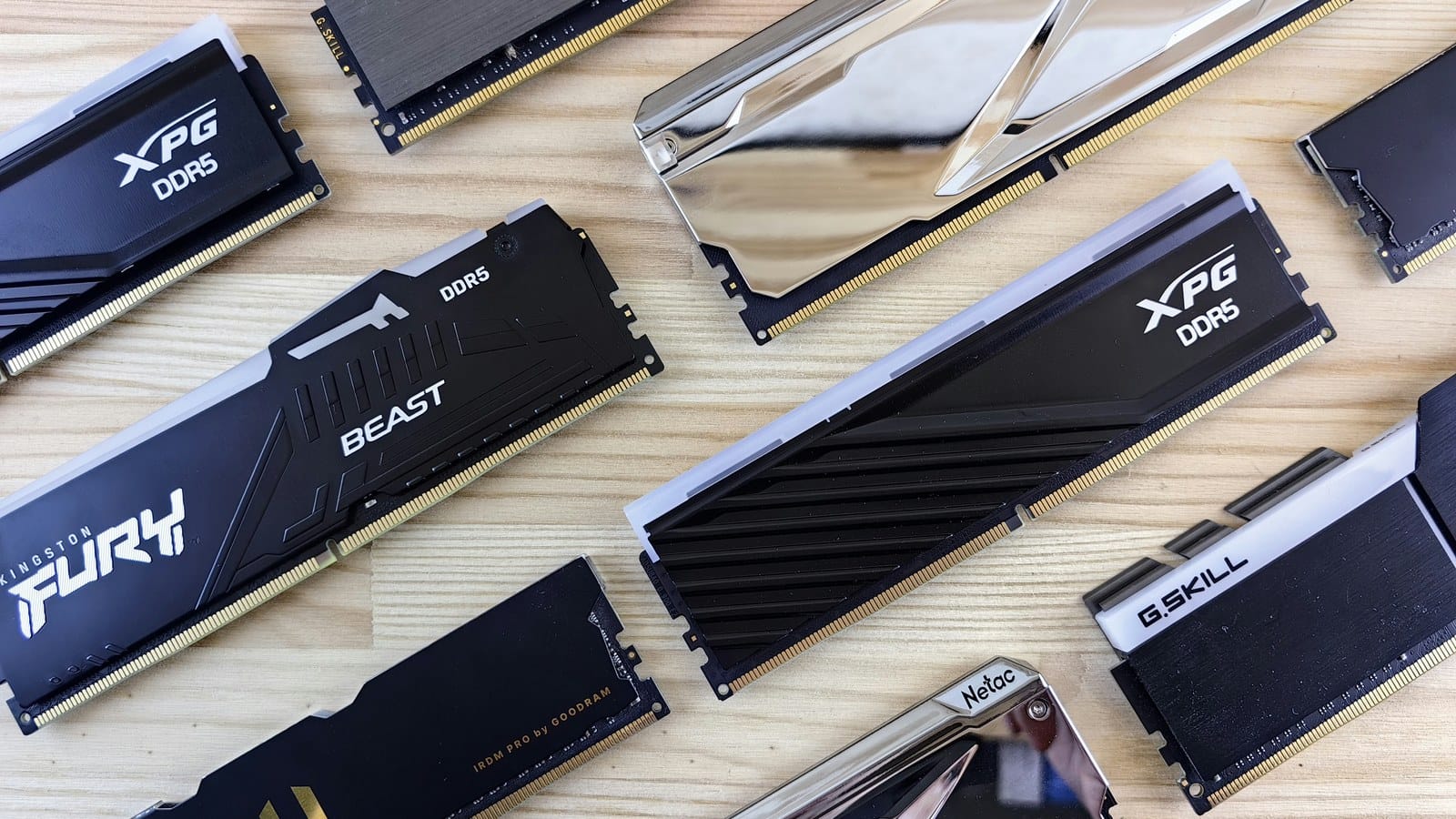
The companies buying those chips are not being subtle about it. On July 30, on his final earnings call as Apple's CEO, Tim Cook called it "a hundred-year flood on the memory pricing." Microsoft was blunter in its Xbox announcement: "console storage and memory prices have increased by more than 2.5x and we expect another doubling by the fall of 2027."
The hard-drive half of this story already played out this spring.
What it has done to prices so far
These increases are not a forecast. They are on shelves now.
- Apple (June 25): iPad $349 to $449. iPad Air $599 to $749. MacBook Air $1,099 to $1,299. MacBook Pro $1,699 to $1,999. iPhone, Apple Watch, and AirPods prices did not change.
- Sony (April 2): PlayStation 5 $549.99 to $649.99, the second increase in under a year. Sony blamed "continued pressures in the global economic landscape" without naming memory; analysts did that for them.
- Microsoft (August 1): Xbox Series S $399.99 to $499.99. Series X $649.99 to $799.99.
- Nintendo (September 1): Switch 2 $449.99 to $499.99. Nintendo's president named memory costs directly and apologized to customers.
A $100 increase stings more on a $349 tablet than on a $1,699 laptop. The cheaper the device, the bigger the share of its cost is memory. This results in the lower-end devices taking the hardest proportional hit.
The research firms expect more of the same. Gartner projected in February that PC prices would end 2026 about 17 percent higher than 2025, with smartphone prices about 13 percent higher. IDC expects phone shipments to fall almost 14 percent this year, the steepest drop it has ever recorded. This is largely because people look at the new prices and decide their current device will do. Treat these as forecasts; the firms revise them every few months, but every revision so far has moved in this direction.
The invisible increase
A company holding a higher memory bill has two options: raise the price, or keep the price and put less memory inside the device.
The memory type inside most cheap Android phones is called LPDDR4X, and all three chipmakers are discontinuing it to free up factory space for AI chips. TrendForce, a firm that tracks chip prices, called the phase-out "an irreversible trend" in June. Budget phones can't easily switch to the newer memory type. It costs more and requires a different chip design. So the cheap phone on next year's shelf may cost the same as this year's, but carry less memory inside. Another possibility is the cheapest models disappearing from the lineup altogether. Gartner expects the under-$500 laptop to be gone entirely by 2028.
At the high end, the opposite is happening. Apple doubled the base storage on iPhones to 256GB last year, partly because AI features need the room. The squeeze is concentrated at the bottom of the market, on the phones and laptops that people on a budget actually buy. The price looks normal, but the hardware inside shrank.
So what do you actually do?
A few steps you can take, whichever end of the market you're shopping.
If you need a device in the next year, waiting will not save you money. Every major forecaster expects prices to keep climbing into 2027. IDC said in March: "While we anticipate some easing of prices beginning in 2028, the market is unlikely to return to the pricing levels seen in 2025." The flip side is just as true: don't panic-buy. A machine you don't need, or a badly equipped one because it was cheap this week, costs more than waiting will.
Buy the memory and storage up front on anything that can't be upgraded. Phones, tablets, MacBooks, and most thin laptops seal their memory and storage in at the factory. Whatever you buy on day one is what you'll have on its last day. The bigger storage option may cost $100 now, but that is the cheapest the upgrade will ever be. Desktop computers and many business-class laptops still let you add memory later; on those, the base model is a safer bet.
Last year's model is an option, with one check. A device built before the shortage carries last year's component costs, so it's better hardware per dollar. The check is the update window: how long the maker keeps patching it.
- Google Pixel: 7 years of updates on the Pixel 8 and newer.
- Samsung Galaxy: 7 years on the S24 and newer.
- Apple iPhone: at least 5 years of security updates on recent models, and usually more.
- Budget Android brands: often 2 or 3 years. Check the specific model.
Subtract the device's age from that number before you buy, and skip anything with only a year or two left.
Buying refurbished. Manufacturer-certified refurbished (Apple's program, for example) gets you a new battery, the same one-year warranty as a new device, and about 15 percent off. Marketplace refurbished gets you a bigger discount and whatever warranty the listing says, which may be 90 days. So be sure to read it before you buy. Even Microsoft is now steering Xbox buyers toward its certified refurbished consoles.
Skip the $299 laptop. Right now that money buys a machine with 4GB of memory and 64GB of storage. None of it upgradeable, and it's built around the exact chips being discontinued. It will feel slow out of the box and get worse from there. If a laptop is in the budget at all, get one with at least 8GB of memory and 256GB of storage. Even if that means spending closer to $500 or waiting a month to save up, you'll thank yourself. The cheap one costs more in the end, because you'll replace it years sooner.
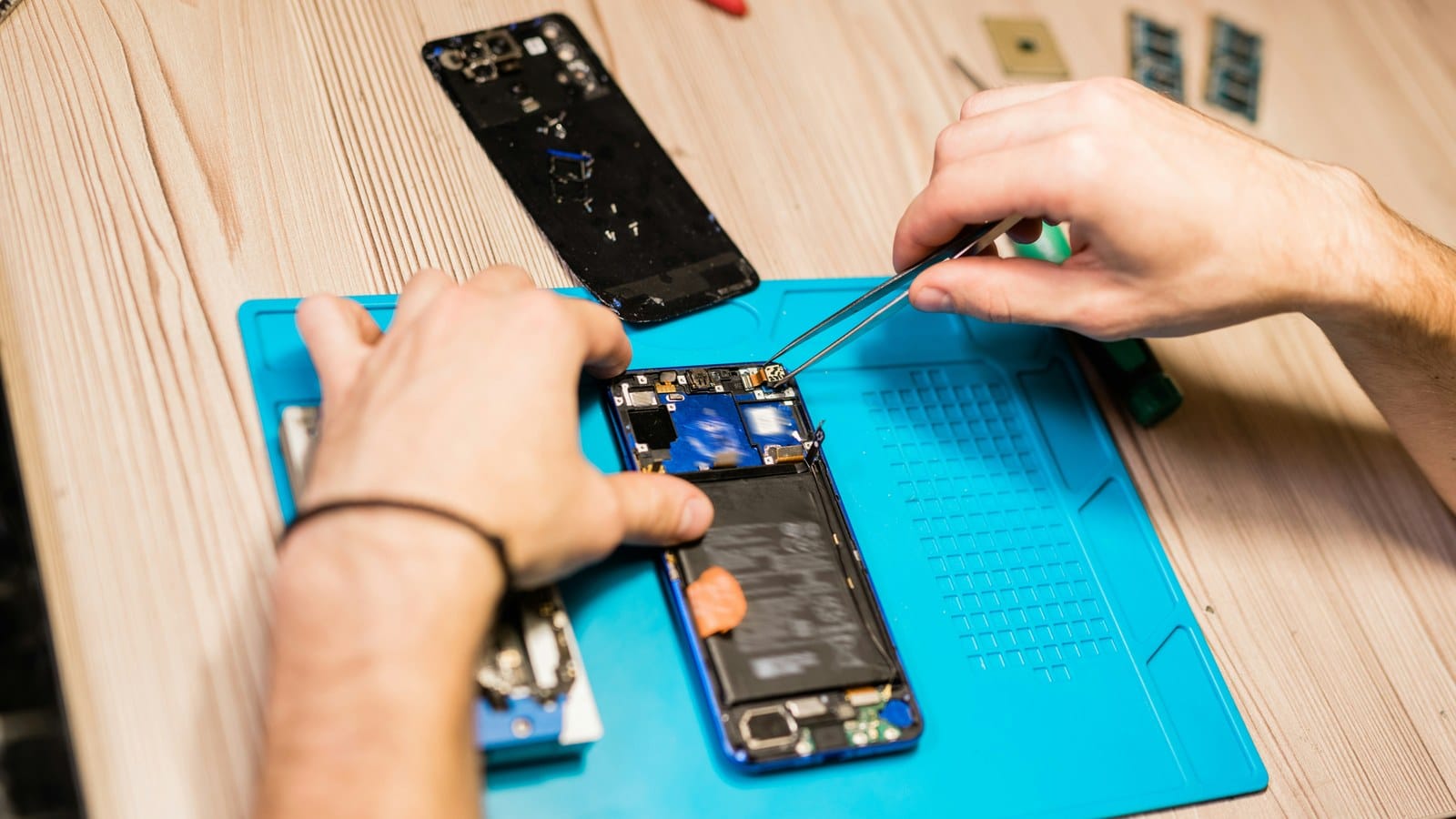
Or spend $100 instead of $1,000. If the device you have still works, the cheapest upgrade this year is a battery. Apple charges $89 to $119 depending on the iPhone model, and it's free under AppleCare+ if your battery health has dropped below 80 percent. Independent shops charge less. A fresh battery on a three-year-old phone buys another year or two at a tenth of the price of replacing it. And if it's a slow computer pushing you toward the store, we've covered the fixes that cost nothing at all.
How long will this last?
A while. SK hynix's CEO told Reuters in July that 2027 "will be the worst year in the industry's history" for memory supply. Intel's CEO says no relief until 2028. New chip factories are under construction, but each one costs over $10 billion, takes years to build, and most of the new capacity is aimed at AI anyway.
"How long?" is really two separate questions: when will prices stop climbing, and when will they come back down? The forecasters put the former sometime in 2027 and the latter in 2028 at the earliest. And IDC does not expect prices to return to 2025 levels at all. If you are waiting for the old prices to come back, stop. They aren't coming.
If you think this is overblown
Some skepticism is earned here. If you buy flagship phones, you've barely felt this; iPhone prices haven't moved. Memory prices spiked before, in 2017 and 2018, and came back down without most people ever noticing. And the largest numbers come from research firms whose product is forecasts, and from chipmakers who profit from scarcity. Micron's profit margin hit 84.6 percent this spring, its highest ever. Nobody reporting these numbers is a neutral observer.
What's harder to wave off is the record from the device makers themselves. Apple, Microsoft, Nintendo, and Sony all raised prices within the same twelve months, and Microsoft says its memory costs will double again by fall 2027. The forecasters might be wrong about 2028. But the price tags for 2026 are already here.
Before you buy anything with a screen this year, check two numbers: the memory and the storage. You can find them on the box or in the listing. Everything else is just a forecast.
Sources
- Apple Q3 2026 earnings call transcript, Six Colors (July 30, 2026): sixcolors.com
- Apple price increases, 9to5Mac (June 25, 2026): 9to5mac.com
- Updated Xbox Console Prices, Xbox Wire (June 25, 2026): news.xbox.com
- New Price Changes for PS5, PlayStation Blog (March 27, 2026): blog.playstation.com
- Nintendo Switch 2 price increase, CNBC (May 8, 2026): www.cnbc.com
- Gartner press release (February 26, 2026): www.gartner.com
- IDC PC and tablet forecast, via Engadget (March 12, 2026): www.engadget.com
- TrendForce Smartphone Market Bulletin (June 11, 2026): www.trendforce.com
- SK hynix CEO on 2027 supply, Reuters via U.S. News (July 10, 2026): money.usnews.com